Where is the best place to buy Microsoft Office with genuine licenses
Table of Contents
- Microsoft Office Licensing and Purchase Options: A Comprehensive Breakdown
- Microsoft Office Editions and Their Key Features
- Subscription vs. One-Time Purchase: Understanding the Licensing Models
- Comparison Table: Microsoft Office Editions and Their Features
- Official vs. Third-Party Purchases: Authenticity and Risks
- Authorized Retailers and Direct Purchase Channels for Microsoft Office
- Microsoft’s Official Website: The Safest and Most Customizable Purchase Option
- Comparison of Microsoft Store vs. Third-Party Retailers: Pricing, Availability, and Benefits
- Leveraging Discounts and Promotions for Cost Savings
- Third-Party Sellers and Marketplaces: Risks and Best Practices
- Legal and Security Risks of Unofficial Microsoft Office Purchases
- Checklist for Evaluating Third-Party Seller Legitimacy
- Real-World Examples of Microsoft Office Scams and Counterfeit Products
- Decision-Making Flowchart: Assessing Third-Party Microsoft Office Purchases
- Regional and Local Considerations for Purchasing Microsoft Office
- Regional Pricing and Availability Variations
- Country-Specific Authorized Retailers and Purchase Channels
- Currency Exchange Rates and Import Taxes: Mitigating Additional Costs
- Regional Pricing and Feature Comparison Table
Finding the right source for Microsoft Office can be a minefield of counterfeit keys, confusing licensing models, and hidden costs. With billions of users worldwide relying on its suite of productivity tools, the demand for legitimate access has never been higher. Yet, misinformation about perpetual licenses, subscription traps, and shady third-party sellers continues to mislead buyers, leading to wasted money or even legal risks. Navigating this landscape requires clarity on what each edition—from Home & Student to Microsoft 365—truly offers, and where to secure them without falling victim to scams or overpriced deals.
The stakes are especially high for businesses and students, where budget constraints and compliance needs clash with the allure of discounted grey-market offers. Meanwhile, Microsoft’s shift toward cloud-based subscriptions has left many questioning whether traditional one-time purchases still hold value. This guide cuts through the noise, offering a detailed breakdown of authorized purchase channels, regional pricing quirks, and the red flags that signal a fraudulent deal. Whether you’re a freelancer, an enterprise, or a parent buying for a child, understanding the nuances of Microsoft’s licensing ecosystem ensures you get the right product at the right price—without compromising security or legality.
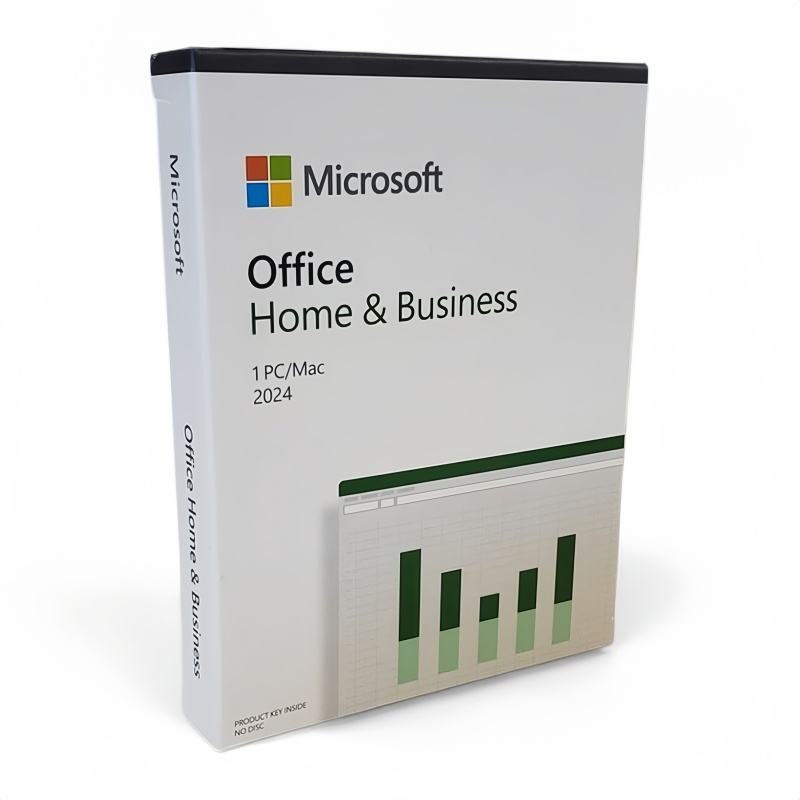
Microsoft Office Licensing and Purchase Options: A Comprehensive Breakdown
Microsoft Office remains a cornerstone of productivity software, offering a suite of applications designed to meet the needs of individuals, students, and businesses. Understanding the licensing models and available editions is crucial for making an informed purchase decision. Microsoft provides multiple versions of Office, each tailored to specific user requirements, ranging from basic productivity tools to advanced business solutions. These editions can be acquired through either one-time perpetual licenses or subscription-based models like Microsoft 365. The distinction between these models significantly impacts long-term costs, access to updates, and the inclusion of cloud-based features. Below is an in-depth exploration of Microsoft Office’s licensing structure, including the features, target users, and trade-offs of each edition.
Microsoft Office Editions and Their Key Features
 Microsoft Office is available in several editions, each designed to cater to different user needs. The primary editions include Office Home & Student, Office Home & Business, Office Professional, Office Professional Plus, and Microsoft 365 (formerly Office 365). Each edition varies in terms of included applications, licensing model, and suitability for individual or professional use.
Office Home & Student is tailored for personal or educational use, offering core applications such as Word, Excel, PowerPoint, and OneNote. This edition is ideal for students or individuals who require basic productivity tools without the need for advanced features like Outlook or Publisher.
Office Home & Business expands on the Home & Student edition by adding Outlook and Publisher, making it suitable for small businesses or freelancers who manage emails and basic publishing tasks.
Office Professional includes all the applications from the Home & Business edition, along with Access and additional features for professionals who require database management and enhanced collaboration tools.
Office Professional Plus is designed for business environments, offering advanced features such as Skype for Business, additional cloud storage, and enterprise-level support. This edition is typically deployed in corporate settings where IT administrators manage installations and updates centrally.
Microsoft 365 represents a subscription-based model, providing access to the latest version of Office applications, cloud storage (OneDrive), and continuous updates. It also includes additional services like Exchange Online (email hosting), SharePoint (collaboration), and Teams (communication). Microsoft 365 is available in multiple plans, such as Microsoft 365 Personal, Family, Business Basic, Business Standard, and Business Premium, each catering to different user scales and requirements.
Microsoft Office is available in several editions, each designed to cater to different user needs. The primary editions include Office Home & Student, Office Home & Business, Office Professional, Office Professional Plus, and Microsoft 365 (formerly Office 365). Each edition varies in terms of included applications, licensing model, and suitability for individual or professional use.
Office Home & Student is tailored for personal or educational use, offering core applications such as Word, Excel, PowerPoint, and OneNote. This edition is ideal for students or individuals who require basic productivity tools without the need for advanced features like Outlook or Publisher.
Office Home & Business expands on the Home & Student edition by adding Outlook and Publisher, making it suitable for small businesses or freelancers who manage emails and basic publishing tasks.
Office Professional includes all the applications from the Home & Business edition, along with Access and additional features for professionals who require database management and enhanced collaboration tools.
Office Professional Plus is designed for business environments, offering advanced features such as Skype for Business, additional cloud storage, and enterprise-level support. This edition is typically deployed in corporate settings where IT administrators manage installations and updates centrally.
Microsoft 365 represents a subscription-based model, providing access to the latest version of Office applications, cloud storage (OneDrive), and continuous updates. It also includes additional services like Exchange Online (email hosting), SharePoint (collaboration), and Teams (communication). Microsoft 365 is available in multiple plans, such as Microsoft 365 Personal, Family, Business Basic, Business Standard, and Business Premium, each catering to different user scales and requirements.
Subscription vs. One-Time Purchase: Understanding the Licensing Models
Microsoft Office licensing models are divided into two primary categories: perpetual licenses (one-time purchases) and subscription-based licenses (Microsoft 365). Each model has distinct advantages and considerations for users. Perpetual Licenses allow users to purchase Office once and use it indefinitely, provided the software is activated. These licenses do not require recurring payments but may lack access to new features or security updates after the initial release. For example, Office 2021 is the latest perpetual version available, but it will not receive updates beyond its release cycle. Perpetual licenses are ideal for users who prefer stability and do not require the latest features or cloud integration. Subscription-Based Licenses (Microsoft 365) offer continuous access to the latest version of Office applications, along with cloud storage (1 TB for Personal, 6 TB for Family), real-time collaboration tools, and automatic updates. Subscriptions are billed annually or monthly, with options to pause or cancel at any time. This model is particularly advantageous for users who rely on frequent updates, cloud-based collaboration, or advanced security features. For businesses, Microsoft 365 includes enterprise-grade security, compliance tools, and administrative controls.
Comparison Table: Microsoft Office Editions and Their Features
 Below is a detailed comparison table outlining the key features, pricing (as of 2023), and target users of each Microsoft Office edition. Pricing may vary based on regional differences, promotions, or bundled offers.
| Edition | Licensing Model | Included Applications | Cloud Storage | Updates | Target Users |
|---|---|---|---|---|---|
| Office Home & Student 2021 | One-time purchase | Word, Excel, PowerPoint, OneNote | No | No (static version) | Students, individuals |
| Office Home & Business 2021 | One-time purchase | Word, Excel, PowerPoint, OneNote, Outlook, Publisher | No | No (static version) | Small businesses, freelancers |
| Office Professional 2021 | One-time purchase | Word, Excel, PowerPoint, OneNote, Outlook, Publisher, Access | No | No (static version) | Professionals, power users |
| Office Professional Plus 2021 | One-time purchase | All Professional features + Skype for Business, additional tools | No | No (static version) | Businesses, enterprises |
| Microsoft 365 Personal | Subscription (annual/monthly) | Latest Word, Excel, PowerPoint, OneNote, Outlook, Publisher, Access | 1 TB OneDrive cloud storage | Yes (continuous updates) | Individuals, families |
| Microsoft 365 Family | Subscription (annual/monthly) | All Microsoft 365 Personal apps for up to 6 users | 6 TB OneDrive cloud storage (shared) | Yes (continuous updates) | Families, households |
| Microsoft 365 Business Basic | Subscription (annual/monthly) | Web and mobile versions of Office apps + Exchange, Teams, SharePoint | 1 TB OneDrive per user | Yes (continuous updates) | Small businesses, startups |
| Microsoft 365 Business Standard | Subscription (annual/monthly) | Full desktop versions of Office + Exchange, Teams, SharePoint | 1 TB OneDrive per user | Yes (continuous updates) | Small to medium businesses |
| Microsoft 365 Business Premium | Subscription (annual/monthly) | All Business Standard features + advanced security, device management | 1 TB OneDrive per user | Yes (continuous updates) | Medium to large businesses |
Note: Pricing for perpetual licenses typically ranges from $100 to $400, depending on the edition, while Microsoft 365 subscriptions start at approximately $70/year for Personal and $10/user/month for Business plans. Prices may vary by region and retailer.
Official vs. Third-Party Purchases: Authenticity and Risks
Purchasing Microsoft Office directly from official channels, such as the Microsoft Store, authorized retailers (e.g., Best Buy, Amazon, Office Depot), or through volume licensing programs for businesses, ensures authenticity, legal compliance, and access to customer support. Official purchases guarantee that users receive
Authorized Retailers and Direct Purchase Channels for Microsoft Office
Microsoft Office remains one of the most widely used productivity suites globally, and purchasing it from authorized retailers or direct channels ensures legitimacy, security, and access to official support. Unauthorized sellers often distribute pirated or counterfeit versions, exposing users to malware, activation failures, and legal risks. This section explores the most reliable official platforms for acquiring Microsoft Office—including Microsoft’s official website, Best Buy, Amazon, and other trusted partners—while providing step-by-step purchasing guides, discount strategies, and comparisons between direct and third-party retailers. Additionally, it covers volume licensing for businesses, digital key redemption, and post-purchase subscription management to streamline the buying and setup process.
Microsoft’s Official Website: The Safest and Most Customizable Purchase Option
Microsoft’s official website (office.microsoft.com) serves as the primary authorized channel for purchasing Microsoft Office, offering direct access to genuine licenses, real-time pricing, and seamless installation support. Unlike third-party retailers, Microsoft’s platform provides transparent product comparisons, subscription flexibility, and enterprise-grade licensing options. Users can choose between perpetual licenses (one-time purchase) and subscription-based models (Microsoft 365), with the latter including automatic updates, cloud storage (OneDrive), and premium security features. Key advantages of purchasing directly from Microsoft include:
Step-by-Step Guide to Buying Microsoft Office from Microsoft’s Website 1. Navigate to the Product Page
2. Choose Between Subscription and Perpetual License
3. Apply Discounts or Promotions
4. Complete Checkout
5. Post-Purchase Setup
Comparison of Microsoft Store vs. Third-Party Retailers: Pricing, Availability, and Benefits
While Microsoft’s official website remains the most secure option, third-party retailers like Best Buy, Amazon, Walmart, and Office Depot often provide competitive pricing, physical product availability, and bundled deals. Below is a detailed comparison of purchasing Microsoft Office from Microsoft’s Store versus authorized third-party retailers:
| Feature | Microsoft Official Website | Best Buy / Amazon / Walmart | Office Depot / Staples |
|---|---|---|---|
| Pricing | Standard pricing; occasional exclusive discounts. | Frequently discounted (e.g., Amazon Prime Day, Best Buy Black Friday). | Competitive but less dynamic than Amazon/Best Buy. |
| Product Availability | Digital downloads only (no physical media). | Physical boxes (DVD/USB) + digital keys. | Primarily physical copies; limited digital options. |
| Promotions | Student discounts, seasonal sales, bundle deals. | Third-party coupons, cashback (e.g., Rakuten), rebates. | Loyalty programs, educator discounts. |
| Installation Support | Direct Microsoft support; automatic updates for subscriptions. | Relies on Microsoft support; may lack bundled assistance. | Minimal; users must contact Microsoft for activation. |
| Warranty/Customer Support | Microsoft’s standard warranty (1-year hardware for Surface bundles). | Retailer return policies (15-30 days) + Microsoft support. | Standard retailer warranties; limited add-ons. |
| Subscription Management | Integrated Microsoft Account dashboard. | Requires manual account setup post-purchase. | Similar to Microsoft’s official process. |
| Best For | Users prioritizing security, updates, and digital convenience. | Shoppers seeking physical copies or third-party discounts. | Businesses needing bulk purchases with in-person support. |
Key Considerations When Choosing a Retailer:
Leveraging Discounts and Promotions for Cost Savings
Purchasing Microsoft Office at a reduced price is achievable through student discounts, seasonal sales, bundle deals, and third-party coupons. Below are strategies to maximize savings while ensuring legitimacy: 1. Student and Educator Discounts
2. Seasonal Sales and Holiday Promotions
3. Bundle Deals and Third-Party Coupons
4. Volume Licensing for Businesses
Third-Party Sellers and Marketplaces: Risks and Best Practices
Buying Microsoft Office from third-party sellers or marketplaces can be tempting due to perceived cost savings or convenience. However, such transactions carry significant risks—ranging from legal repercussions to security threats and operational limitations. Unlike authorized retailers, unofficial sources often lack transparency, verification, and accountability, exposing buyers to counterfeit products, malware, or outright scams. Understanding these risks and adopting best practices for evaluating third-party sellers is essential for making informed purchasing decisions that protect both financial and digital security. The allure of discounted Microsoft Office licenses on platforms like eBay, Craigslist, or gray-market sellers stems from aggressive pricing strategies that often violate licensing agreements. While some sellers may offer legitimate refurbished or surplus products, others exploit loopholes or engage in fraudulent activities. This section explores the legal, security, and functional risks associated with third-party purchases, provides a structured checklist for assessing seller legitimacy, and outlines real-world examples of scams. Additionally, it includes a decision-making flowchart to guide buyers through risk evaluation, legal consequences of pirated software, and alternative legitimate methods to access Microsoft Office at reduced costs.
Legal and Security Risks of Unofficial Microsoft Office Purchases
Purchasing Microsoft Office from unauthorized sources exposes users to multiple legal and security vulnerabilities. Legally, Microsoft enforces strict licensing terms, and unauthorized distribution or use of its software violates the End User License Agreement (EULA). The company actively monitors piracy through tools like Microsoft Authenticator and Volume Licensing Service Center (VLSC), which can detect and block pirated installations. Users caught using counterfeit software risk account termination, legal action, or financial penalties, particularly in corporate or educational settings where compliance is mandatory. Security risks further compound the dangers of third-party purchases. Counterfeit Microsoft Office products often bundle malware, spyware, or ransomware, designed to exploit vulnerabilities in the software’s installation or activation process. For instance, a 2022 report by Kaspersky Lab highlighted that 43% of pirated Microsoft Office installations contained malicious payloads, including keyloggers and remote access trojans (RATs). These threats can compromise sensitive data, such as login credentials, financial information, or proprietary business documents. Additionally, pirated software lacks automatic updates and security patches, leaving systems exposed to exploits that legitimate users receive protection against. Functionally, unauthorized copies of Microsoft Office may suffer from limited features, frequent crashes, or incompatibility issues with legitimate Microsoft services (e.g., OneDrive, SharePoint, or Microsoft 365 integration). Some versions may also disable cloud synchronization, rendering collaborative tools like Word’s co-authoring feature or Excel’s real-time data sharing unusable. Users relying on these functionalities for work or education may face disruptions that outweigh the initial cost savings.
Checklist for Evaluating Third-Party Seller Legitimacy
Before purchasing Microsoft Office from a third-party seller, users should conduct thorough due diligence to verify legitimacy. The following checklist outlines critical factors to assess, categorized by seller reputation, product authenticity, and transaction safety. Seller Reputation and Trustworthiness Third-party sellers should demonstrate a track record of reliability through:
Product Authenticity Guarantees Legitimate sellers provide assurances that their products comply with Microsoft’s licensing terms:
Transaction Safety and Red Flags Suspicious listings often exhibit warning signs that indicate fraudulent intent:
Real-World Examples of Microsoft Office Scams and Counterfeit Products
The digital marketplace is rife with examples of fraudulent Microsoft Office sales, targeting both individual consumers and businesses. Below are documented cases illustrating common scams and how to identify them: 1. Counterfeit License Keys Sold on Dark Web Forums In 2021, Interpol’s Operation Cookie Jar dismantled a global cybercrime network that sold $100 million worth of stolen Microsoft software licenses via underground forums. Buyers received keys that appeared legitimate but were later revoked by Microsoft, leading to unexpected deactivations and data loss. The keys often originated from corporate or educational accounts compromised through phishing attacks. Red Flags:
2. Fake "Refurbished" Office Suites on eBay and Amazon A 2022 investigation by Which? (UK’s consumer rights organization) found that 30% of "refurbished" Microsoft Office licenses sold on Amazon and eBay were counterfeit or pre-activated with stolen credentials. One seller in Texas was caught offering physical DVDs labeled "Microsoft Office 2021" that contained malware-laden installers disguised as legitimate software. Red Flags:
3. Phishing Scams Disguised as Discount Offers Cybercriminals exploit Microsoft’s brand reputation by sending fake promotional emails or ads (e.g., "Exclusive 80% Off Microsoft Office License!"). Victims are directed to clone websites that mimic Microsoft’s official store, where they enter payment details and receive either a pirated key or malware. Red Flags:
4. Gray-Market Resellers Exploiting Volume Licensing Loopholes Some sellers purchase Microsoft Volume Licensing keys at a bulk discount and resell them individually, often without proper documentation. While not illegal under all jurisdictions, this practice violates Microsoft’s licensing terms and may lead to key deactivation if detected. A 2020 case in Germany saw a reseller fined €50,000 for selling 1,000 unauthorized Office licenses to small businesses. Red Flags:
Decision-Making Flowchart: Assessing Third-Party Microsoft Office Purchases
To help users navigate the complexities of third-party purchases, the following flowchart outlines a step-by-step risk assessment process. This visual guide encourages buyers to evaluate legitimacy before committing to a transaction.
-
Step 1: Identify the Purchase Type
- Is the product a physical copy (DVD/USB) or digital download?
- If physical, verify if Microsoft still supports this format (most modern versions are digital-only).
Regional and Local Considerations for Purchasing Microsoft Office
Microsoft Office operates within a global ecosystem, but purchasing decisions should account for regional pricing disparities, language localization, and compliance requirements. Regional factors significantly influence cost efficiency, software functionality, and user experience. For businesses or individuals operating across borders, understanding these variables ensures optimal investment while avoiding hidden fees or compatibility issues. Localized versions of Microsoft Office often include language packs, regional formatting (e.g., date, currency, or measurement systems), and industry-specific tools tailored to regional needs. Additionally, currency fluctuations and import taxes can distort perceived savings when buying internationally, necessitating strategic purchasing approaches.Regional Pricing and Availability Variations
Microsoft Office pricing varies by region due to factors like market demand, licensing agreements, and economic conditions. For instance, subscription-based models (Microsoft 365) may offer different tiers in the U.S. compared to Europe, where VAT (Value-Added Tax) applies. Permanent licenses (e.g., Office 2021) often reflect localized pricing, with discounts available in high-competition markets like Australia or Canada. Availability also differs—some regions may lack specific editions (e.g., Office Home & Student in certain EU countries) or offer bundled deals with hardware retailers. Key observations: - Subscription pricing in the U.S. typically starts at $69.99/year for Microsoft 365 Personal, while the same plan in the UK may exceed £65/year (≈$82) due to VAT.
- Permanent licenses (e.g., Office 2021) in India are often 30–40% cheaper than in Western markets, reflecting lower licensing costs.
- Enterprise agreements (for businesses) may include region-specific compliance modules, such as GDPR-aligned data handling in the EU.
- Microsoft Store (Official): store.microsoft.com Supports English, French (Canada), and regional tax compliance.
- Best Buy (US/Canada): bestbuy.com Offers bundled deals with hardware (e.g., Surface devices).
- Newegg (US): newegg.com Frequent promotions on Microsoft 365 subscriptions. United Kingdom and Ireland
- Microsoft UK Store: microsoft.com/en-gb Includes VAT-inclusive pricing and localized language options (English, Welsh).
- Currys PC World (UK): currys.co.uk Specializes in retail bundles with Office pre-installed.
- Amazon UK: amazon.co.uk Third-party sellers must verify authenticity via Microsoft’s licensing portal. European Union (Eurozone)
- Microsoft EU Store: microsoft.com/en-eu Standardized pricing across 19 EU countries (VAT applied).
- MediaMarkt/Saturn (Germany/Austria): mediamarkt.de Popular for hardware-software bundles with German-language support.
- Fnac (France): fnac.com Offers French and English localized versions with regional tax compliance. Australia and New Zealand
- Microsoft Australia Store: microsoft.com/au Supports English and localized business tools (e.g., GST-compliant invoicing in Excel).
- JB Hi-Fi (Australia): jbhi-fi.com.au Retailer partnerships for discounted Microsoft 365 plans.
- Noel Leeming (New Zealand): noelleeming.co.nz Authorized distributor with NZD-priced subscriptions. Asia-Pacific (India, Japan, Singapore)
- Microsoft India Store: microsoft.com/in Pricing in INR; supports Hindi, Bengali, and Tamil language packs.
- Yodobashi Camera (Japan): yodobashi.com Retails Office in JPY with Japanese localization (e.g., vertical text in Word).
- Best Denki (Singapore): bestdenki.com.sg Authorized seller for Singaporean businesses with SGD pricing. Latin America (Brazil, Mexico)
- Microsoft Brasil: microsoft.com/br Portuguese-language support; pricing in BRL with local tax inclusion.
- Liverpool (Mexico): liverpool.com.mx Offers Mexican-peso (MXN) subscriptions with Spanish localization.
- VAT/GST: EU and Australian purchases include 20% VAT or 10% GST, respectively.
- Customs Duties: Importing digital licenses (e.g., from the U.S. to the EU) may incur 3–15% duties on the declared value.
- Payment Fees: Credit card transactions abroad often add 1–3% foreign transaction fees. Strategies to minimize costs:
- Use regional credit cards (e.g., a U.S. card for U.S. purchases) to avoid foreign fees.
- Leverage tax-free shopping (e.g., EU VAT refunds for non-residents).
- Opt for local subscriptions to bypass import taxes on digital products.
- Compare dynamic currency conversion (DCC) at checkout—declining DCC often yields better rates. Example Cost Comparison (USD to EUR):
Country-Specific Authorized Retailers and Purchase Channels
Authorized retailers and direct purchase channels vary by country, often aligned with Microsoft’s regional partners. Below is a curated list of official sources for major markets, ensuring legitimacy and access to localized support. United States and CanadaCurrency Exchange Rates and Import Taxes: Mitigating Additional Costs
Purchasing Microsoft Office from a region with weaker currency (e.g., USD in India) may appear cheaper, but import taxes, customs duties, and currency conversion fees can negate savings. For example:
Note: Exchange rates fluctuate; use tools like XE.com for real-time comparisons.Scenario Base Price (USD) EUR Equivalent (1 USD = 0.92 EUR) Post-Tax (20% VAT) Total Cost (EUR) Purchase in U.S. $69.99 €64.19 €12.84 (VAT) €77.03 Purchase in Germany €65.00 $70.65 €13.00 (VAT) €78.00 Savings: -€10.97 Regional Pricing and Feature Comparison Table
The following table compares Microsoft Office pricing, included features, and regional considerations across key markets. Prices reflect 2024 averages for Microsoft 365 Personal (subscription) and Office 2021 (perpetual license).Region Microsoft 365 Personal (Annual) Office 2021 (One-Time) Key Features Language Options Tax Inclusions Purchase Links United States $69.99/year $149.99 Cloud storage (1TB), real-time co-authoring, security updates English, Spanish, French No sales tax (varies by state) Microsoft Store United Kingdom £65.00/year (~$82) £139.99 (~$177) UK-specific templates ( Choosing where to buy Microsoft Office is not just about finding the lowest price—it’s about securing a product that aligns with your needs, budget, and long-term goals. Authorized retailers like Microsoft’s official store, Best Buy, or Amazon provide peace of mind with genuine licenses, warranties, and support, while third-party sellers often come with hidden risks that far outweigh their savings. By weighing the pros and cons of subscriptions versus perpetual licenses, leveraging regional discounts, and verifying seller legitimacy, buyers can avoid common pitfalls. For those on tight budgets, exploring educational discounts or open-source alternatives may offer viable alternatives without sacrificing functionality. Ultimately, the best place to purchase Microsoft Office is one that balances affordability, authenticity, and future-proofing—ensuring your investment remains secure, updated, and legally sound for years to come.
Leave a Comment
Comments are moderated before appearing. The data you submit is processed according to the Privacy Policy of Leveltagrgdpscc.